Posted on Leave a comment

Improvement of Fruit Varieties (1948) By Josef Löschnig – English Translation

This is a valuable account on man-made periclinal chimeras between apple varieties. Thank you to quinoah on the Tropical Fruit Forum for sharing the original text.
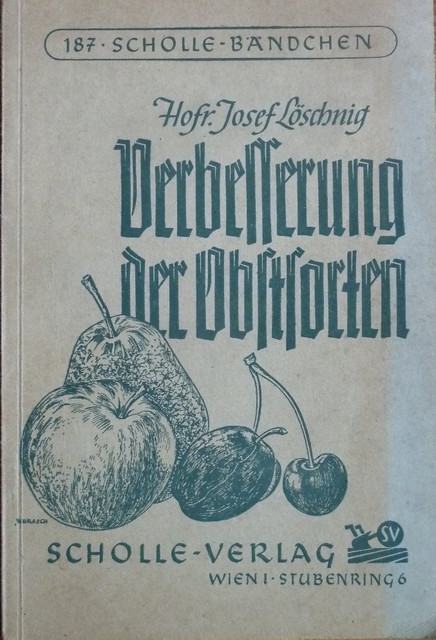
187 SCHOLLE BOOKLET

Court Councilor Josef Loschnig

SCHOLLE-VERLAG WIEN I STUBENRING 6 (Scholle Publishing House, Vienna I, Stubenring 6)
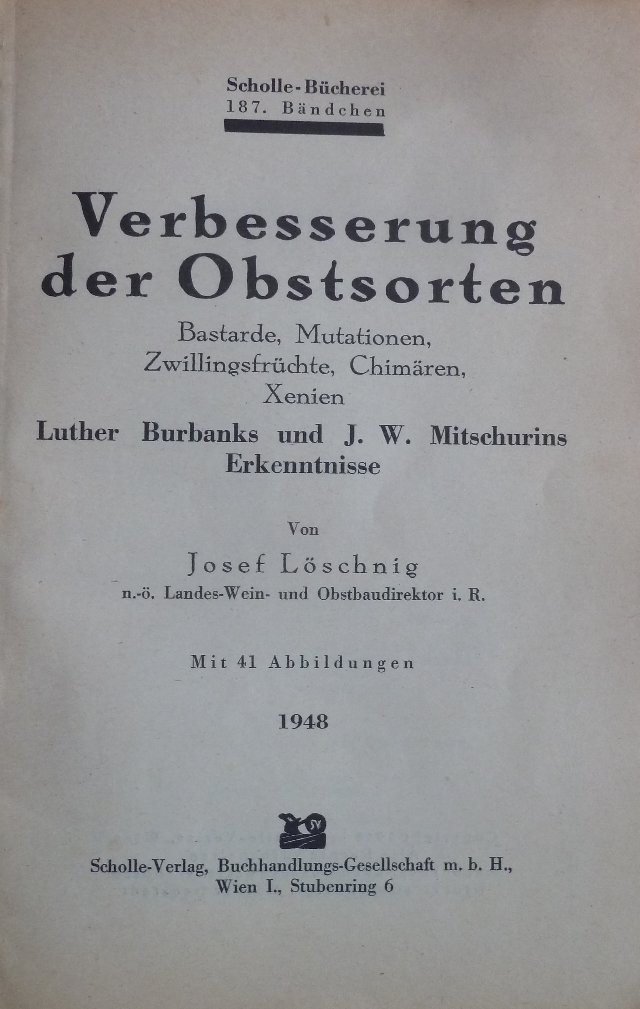
Scholle Library, 187th Booklet

Improvement of Fruit Varieties

Hybrids, Mutations, Twin Fruits, Chimeras, Xenia

The Findings of Luther Burbank and J. W. Michurin

By Josef Löschnig

Former Lower Austrian State Director of Viticulture and Pomiculture (Fruit Growing)

With 41 illustrations

1948

Scholle-Verlag, Book Trading Company, Ltd., Vienna I., Stubenring 6
W 140, Lö 1042, Blanche von Melrose + Deans Codlin + Titowka.

Four-variety chimeras:

A 3, Lö 993, Charlamowsky + Kassler Renette + Peasgood Goldrenette + Adersleber Kalvill,

W 59/85, Lö 1037, (Jonathan + Jakob Lebel) + (Jonathan London Pepping).

A 1, Lö 1000, Fiessers Erstling + Kaiser Alexander + Gelber Bellefleur + Kaiser Alexander,

A 8, Lö 1001, Kaiser Alexander + Schöner von Boskoop + Großer Wellington + Bohnapfel

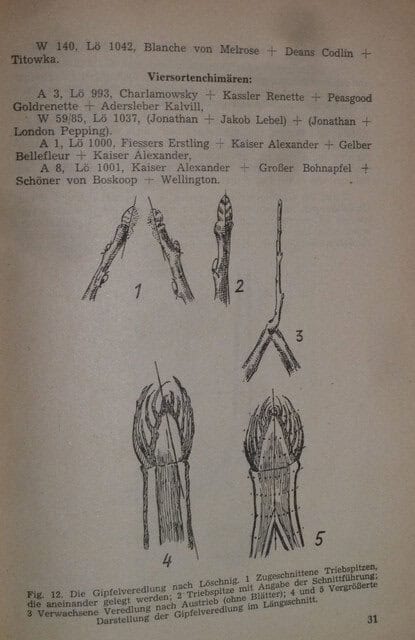
Fig. 12. Shoot-tip grafting according to Löschnig.

1 Trimmed shoot tips placed against one another;

2 Shoot tip showing the direction of the cut;

3 Fused graft after budding (without leaves);

4 and 5 Enlarged view of the shoot-tip graft in longitudinal section.
g) Findings to date on graft-chimeras

Experience with graft-chimeras is not yet sufficient to form a definitive judgment. Based on findings to date, which are supported by my work and the work of Wszolek, the following can be said in summary:

Through shoot-tip grafting according to Löschnig, graft-chimeras (“fable varieties”) can be achieved in apples and pears, and predictably also in stone fruit species. With correct execution, a successful fusion rate of 10% to 20% can be expected. The combination of varieties is best indicated by a diagram, such as those included in Fig. 6 and 10.

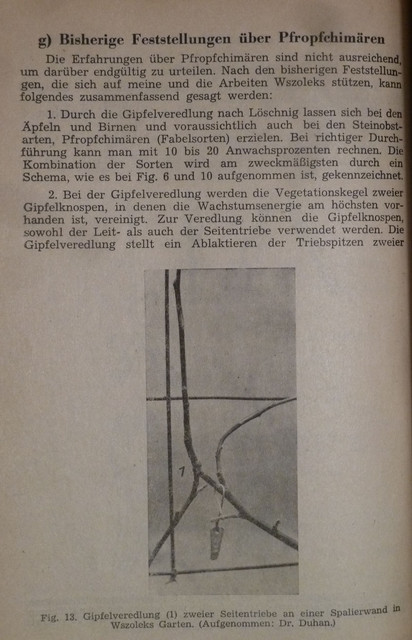
In shoot-tip grafting, the growth tips (vegetation cones) of two terminal buds—in which growth energy is at its highest—are united. Terminal buds of both leading and side shoots can be used for grafting. Shoot-tip grafting represents a layering (ablactation) of the shoot tips of two…

Fig. 13. Shoot-tip grafting (1) of two side shoots on an espalier wall in Wszolek’s garden. (Photographed by: Dr. Duhan.)
Budding occurs from the contact surfaces of the two growth tips, i.e., in the center or to the side of the graft; it therefore receives genetic traits from both parts, leading to the development of a mixture of tissues from two varieties. Often, side shoots also emerge from the accessory buds, but these must be suppressed, Fig. 13 and 14.

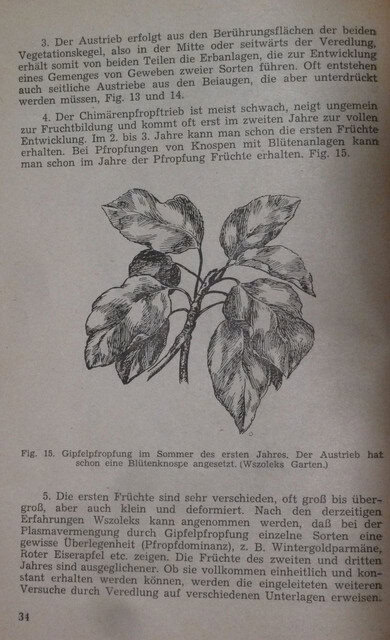
The chimeric graft shoot is usually weak, highly prone to fruit formation, and often does not reach full development until the second year. In the 2nd to 3rd year, you can already harvest the first fruits. When grafting buds that already have blossom buds, fruits can be obtained as early as the year of the graft. Fig. 15.

Fig. 15. Shoot-tip grafting in the summer of the first year. The new growth has already set a flower bud. (Wszolek’s garden.)

The first fruits are highly variable, often large to oversized, but also small and deformed. Based on Wszolek’s current experience, it can be assumed that during the cytoplasmic mixing via shoot-tip grafting, individual varieties show a certain dominance (graft dominance), e.g., Winter Gold Pearmain, Roter Eiserapfel, etc. The fruits of the second and third years are more uniform. Whether they can be kept completely uniform and stable will be shown by further ongoing experiments involving grafting onto various rootstocks.
The chimeric character of the fruit manifests in fruit size, shape, and color, in taste, in the chemical composition of the flesh, and particularly through the appearance of “chimera marks.”

The chimera mark usually consists of a brown, wide stripe or one or more such spots on the skin, which can likely be attributed to superficial wound-cork formation. This is probably a reaction to the forced mixing of the fruit flesh tissues of two varieties. The chimera mark does not possess the color of either of the two varieties, but is fairly uniform across all chimeras, only slightly intermixed with the color of one or the other variety.

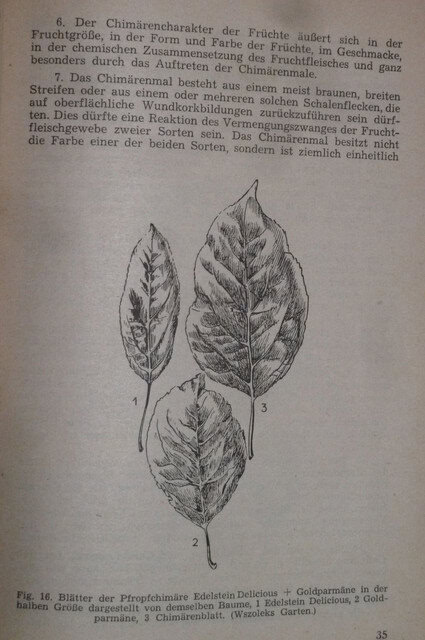
Fig. 16. Leaves of the graft-chimera Edelstein Delicious + Goldparmäne, shown at half size from the same tree.

1 Edelstein Delicious,

2 Goldparmäne,

3 Chimeric leaf. (Wszolek’s garden.)
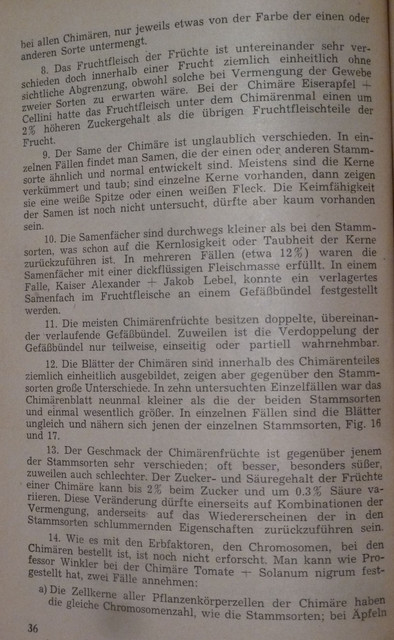
…mixed into all chimeras, just slightly tinged by the color of one or the other variety.

The flesh of the fruits varies greatly from one to another, yet within a single fruit, it is fairly uniform with no visible boundary, even though such a boundary would be expected from the mixing of tissues from two varieties. In the Eiserapfel + Cellini chimera, the flesh beneath the chimera mark had a 2% higher sugar content than the remaining parts of the fruit flesh.

The seed of the chimera is unbelievably diverse. In isolated cases, one finds seeds that resemble one or the other parent variety and are normally developed. Mostly, the seeds are stunted and hollow; if individual seeds are present, they display a white tip or a white spot. The germination capacity of the seeds has not yet been investigated, but is unlikely to exist.

The seed cavities are consistently smaller than in the parent varieties, which is due to the lack of seeds or hollow seeds. In several cases (about 12%), the seed cavities were filled with a thick, fleshy mass. In one case, Kaiser Alexander + Jakob Lebel, a displaced seed cavity was found in the fruit flesh attached to a vascular bundle.

Most chimeric fruits possess double vascular bundles running over one another. Sometimes the doubling of the vascular bundles is only partially, unilaterally, or locally noticeable.

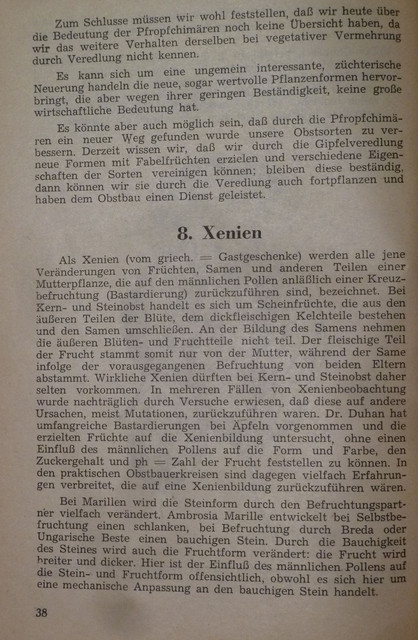
The leaves of the chimeras are formed fairly uniformly within the chimeric section, but show great differences compared to the parent varieties. In ten examined individual cases, the chimeric leaf was smaller than those of both parent varieties nine times, and significantly larger once. In isolated cases, the leaves are unequal and lean closer to those of the individual parent varieties, Fig. 16 and 17.

The taste of the chimeric fruits is very different compared to that of the parent varieties: often better, especially sweeter, sometimes worse. The sugar and acid content of the fruits of a chimera can vary by up to 2% for sugar and by 0.3% for acid. This variation is likely due on one hand to combinations of the tissue mixing, and on the other hand to the re-emergence of traits dormant in the parent varieties.

The status of the hereditary factors, the chromosomes, in chimeras has not yet been researched. One can assume two possibilities, as Professor Winkler established with the Tomato + Solanum nigrum (Nightshade) chimera:
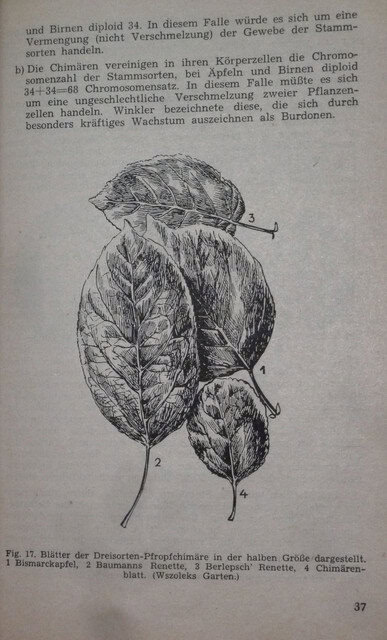
a) The cell nuclei of all plant body cells of the chimera have the same chromosome number as the parent varieties; in apples and pears, diploid 34. In this case, it would be a mixing (not a fusion) of the tissues of the parent varieties.

b) The chimeras combine the chromosome numbers of the parent varieties in their body cells; in apples and pears, a diploid 34 + 34 = 68 chromosome set. In this case, it would have to be an asexual fusion of two plant cells. Winkler referred to these, which are characterized by particularly vigorous growth, as “burdons.”

Fig. 17. Leaves of the three-variety graft-chimera, shown at half size.

1 Bismarckapfel,

2 Baumanns Renette,

3 Berlepsch’ Renette,

4 Chimeric leaf. (Wszolek’s garden.)
In conclusion, we must state that today we do not yet have a full overview of the significance of graft-chimeras, as we do not know their subsequent behavior during vegetative reproduction via grafting.

It could be an incredibly interesting breeding innovation that produces new, even valuable plant forms, but which has no great economic significance due to its low stability.

However, it could also be possible that graft-chimeras have opened up a new way to improve our fruit varieties. At present, we know that through shoot-tip grafting we can achieve new forms with fabulous fruits and combine different characteristics of the varieties; if these remain stable, then we can also propagate them through grafting and have rendered a service to fruit growing.

Xenia (from the Greek for “guest gifts”) refers to all those changes in fruits, seeds, and other parts of a maternal plant that can be attributed to the male pollen during cross-fertilization (hybridization). In the case of pome and stone fruit, we are dealing with accessory fruits, which consist of the outer parts of the flower—the thick, fleshy calyx part—and enclose the seed. The outer floral and fruit parts do not participate in the formation of the seed. The fleshy part of the fruit therefore comes solely from the mother, while the seed comes from both parents as a result of the preceding fertilization. True xenia are therefore likely rare in pome and stone fruits. In several cases of observed xenia, subsequent experiments proved that these were due to other causes, mostly mutations. Dr. Duhan undertook extensive hybridizations in apples and examined the resulting fruits for xenia formation, without being able to detect any influence of the male pollen on the shape, color, sugar content, or pH value of the fruit. In practical fruit-growing circles, however, experiences that could be attributed to xenia formation are widespread.

In apricots, the stone shape is frequently altered by the cross-pollination partner. The Ambrosia apricot develops a slender stone with self-pollination, but a bulbous stone when fertilized by Breda or Hungarian Best. Due to the bulbous nature of the stone, the fruit shape is also altered: the fruit becomes wider and thicker. Here, the influence of the male pollen on the stone and fruit shape is obvious, even though this is a mechanical adaptation to the bulbous stone.
Posted on Leave a comment

Predicting Future Fruit Quality

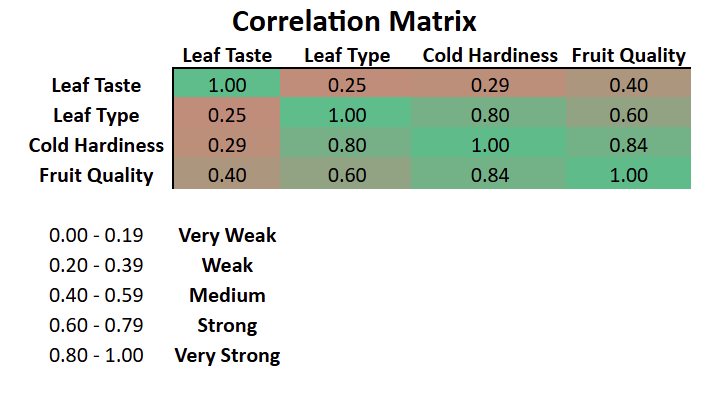
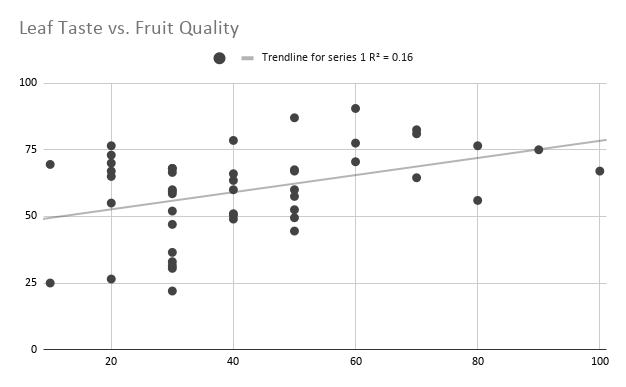
This calculator is based on the data collected from 48 citrus trees that have been taste tested as well as grown on our property so their leaves could be tasted and counted. Our original idea was to incorporate leaf type into the prediction model (percentage of leaves that were unifoliate or bifoliate), since this would be a normal, practical test someone might conduct. However, the data showed there was no meaningful correlation between leaf type and fruit quality when controlling for true citrus vs. hybrids with Poncirus. Believe it or not, this was also true for predicting cold hardiness! If we do not control for true citrus, there is otherwise a strong correlation between leaf type and fruit quality/cold hardiness.

We must acknowledge that our small sample size is a limitation, and we cannot guarantee the same effects across a larger sample size. However, the link between cold hardiness and reduced fruit quality is undeniable! Unfortunately, cold hardy citrus breeding will always be limited by this fact, but there is promise in the meaningful overlap that exists between fruit quality and hardiness ratings.

Posted on 2 Comments

Re-creating the Prague Chimera

The citrus variety known as the Prague Chimera is best known for its extreme hardiness down to 0°F, or slightly lower, while also producing dessert-quality citrus fruit – a feat not yet matched by any other hardy citrus variety. The key to this extremely rare and valuable combination of traits is that it is a chimera, not a hybrid, between a Satsuma mandarin and trifoliate orange.

Unlike hybrids, where two plants sexually reproduce to combine their genes and form unique offspring, chimeras are when the two plants fuse together and form a single plant via mutation. This has tended to arise from horticultural practices like grafting, where plants with high-quality fruit (scion) are grafted onto plants with more resilient or vigorous root-systems (rootstock). Most often by accident, graft unions have been disturbed or damaged in some way that stimulates the formation of a new shoot from the graft union. This shoot has the potential to be composed of both varieties simultaneously, potentially combining favorable (or unfavorable) aspects of each.

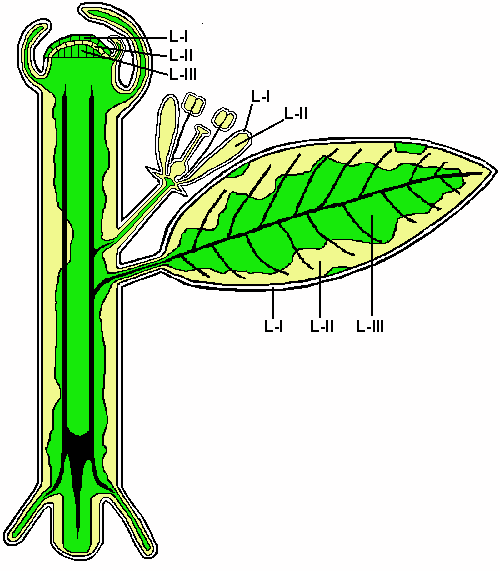
Tunica-Corpus theory describes the apparent stratification of the different cell layers of flowering plants, like citrus. Broken down into three layers: L1, L2, L3, each layer contributes to the function and appearance of a citrus tree. L1 makes up the outermost layer of the leaves and flowers, while also contributing the most to fruit quality by forming the juice sacs of the fruit. L2 forms the segment walls, albedo and seeds in the fruit as well as contributing to the structure and appearance of the leaves and flowers. The innermost layer, L3, is the origin for the vascular bundle, transporting water and nutrients throughout the plant.

Tunica-Corpus Theory Diagram

The Prague Chimera is a stable periclinal chimera, meaning the three layers of the plant have different genetic composition. Since the fruit have no characteristics at all from the trifoliate orange, it seems most likely that L1 and L2 are from a Satsuma mandarin and L3 is from a trifoliate orange. This also serves as evidence towards the contribution of the vascular bundle towards cold hardiness since the Prague Chimera is at least 10 to 15°F more cold tolerant than a Satsuma.

In terms of fruit quality, chimeras have a unique advantage over hybrids, especially when it comes to hardy citrus. Most hardy citrus varieties involve hybridizing conventional citrus with the trifoliate orange or a trifoliate orange hybrid. While the hybrid offspring are much more cold tolerant, they also produce more acidic fruit, and in many cases, they contain higher amounts of volatile compounds that contribute to undesirable earthy, vegetal, or pine-like flavors. In theory, chimeras can be synthesized to avoid these off-flavors by ensuring that the layers that contribute to internal fruit quality (L1 most importantly, and L2) are from the conventional citrus, not the trifoliate orange. They are also capable of producing fruit in a shorter period of time since the scion variety is often sexually mature and does not have to go through a juvenile phase. Since they arise from mutation however, it requires many attempts and patience to create a chimera, and the arrangement of the different layers will be unpredictable. Another disadvantage that can be seen with Prague is a lack of productivity, potentially due to the extreme stress that the Satsumas are placed under in extremely cold conditions.

There is scarce but promising studies referring to accidental and intentional citrus chimeras, mostly between oranges, sour oranges, and mandarins. In one case, a Navel orange was grafted onto a Satsuma, and from the graft union arose a shoot that bore fruit with Satsuma flesh and Navel orange albedo and peel. In another instance, a Ponkan mandarin was grafted onto a trifoliate orange but was severely damaged by the Winter. The following season, a shoot grew from the graft union that bore fruit with flesh that mostly resembled the Ponkan, but the peel was pubescent like the trifoliate orange. In both cases, the leaves were also distinguishable as being intermediate between both citrus varieties.

For the past year we have been theorizing and working on methods to develop a new cold-hardy citrus chimera with little progress. That all changed on March 27, 2025, the day we discovered a happy little accident. We had grafted over 125 seedling Rangpur lime trees with the Giant Finger lime as our scion variety. About 90% of the grafts were chip bud grafts and the remaining 10% were side veneer grafts. Of this 10% or roughly one dozen side veneer grafts, one single plant distinguished itself.

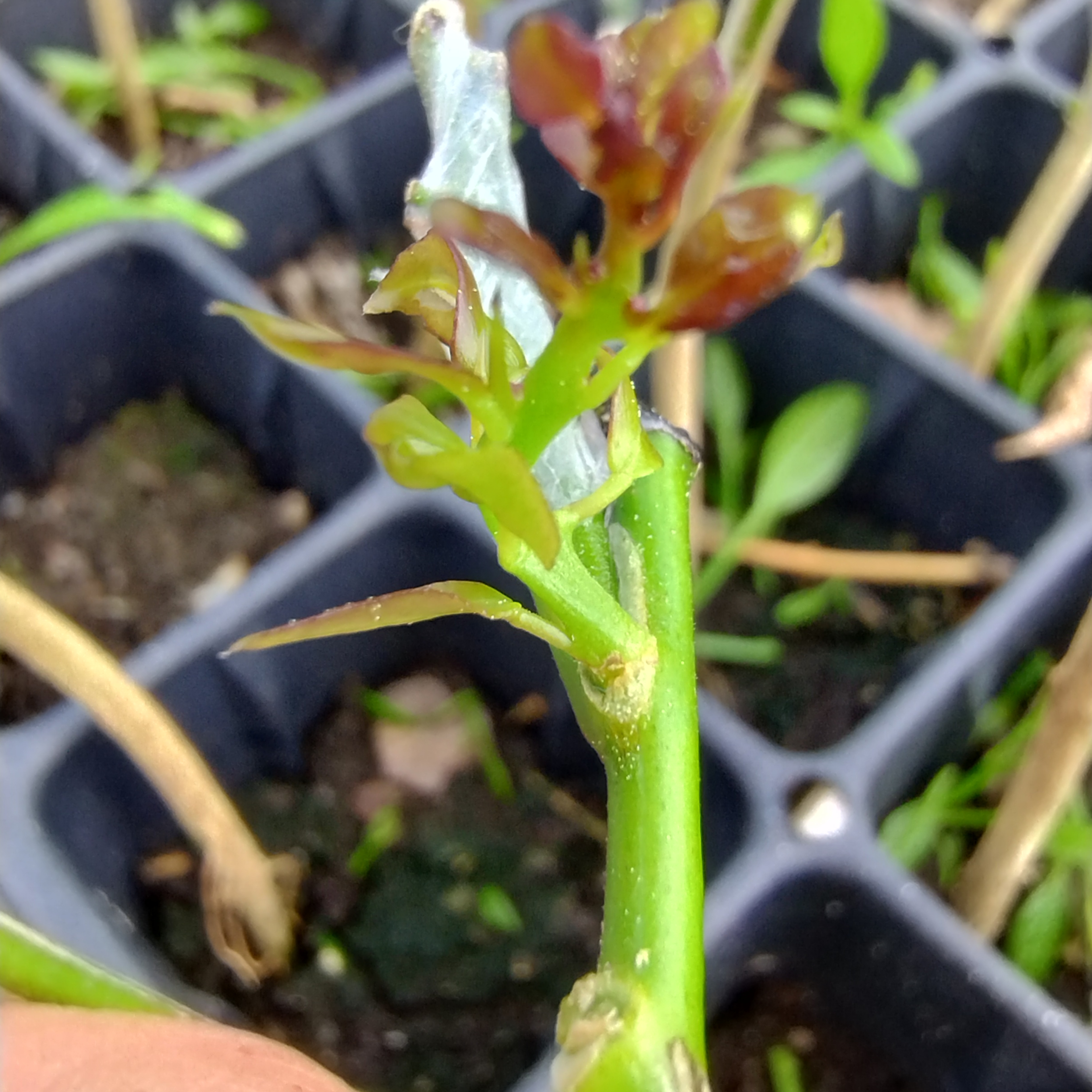
We didn’t realize at the time, but we shouldn’t have grafted these plants in the Winter because Finger limes require more heat to break out of dormancy. The Rangpur lime rootstocks began suckering aggressively, requiring a lot of labor to remove suckers and allow the grafts to grow.  One sucker, however, appeared different from the rest – it was slightly contorted and reddish in color, but not as much as a finger lime, and it originated from the bottom of a side veneer graft union. One of the Giant Finger lime buds had been sliced, and as it healed adjacent to the cut surface of the Rangpur lime, undifferentiated cells in the callus tissue might have filled in the gaps and allowed the bud to regrow whole again.

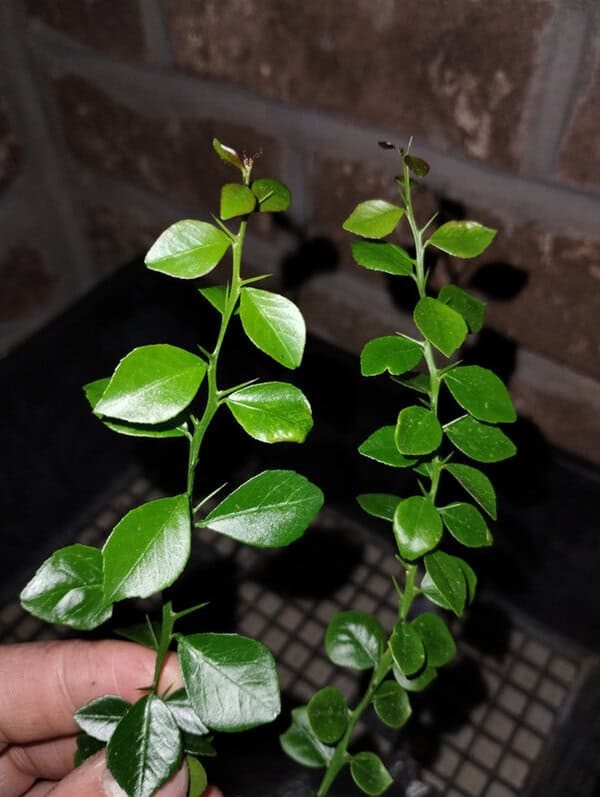
Rangpur Lime + Giant Finger Lime ‘Lim-era’ a Few Days After Discovery

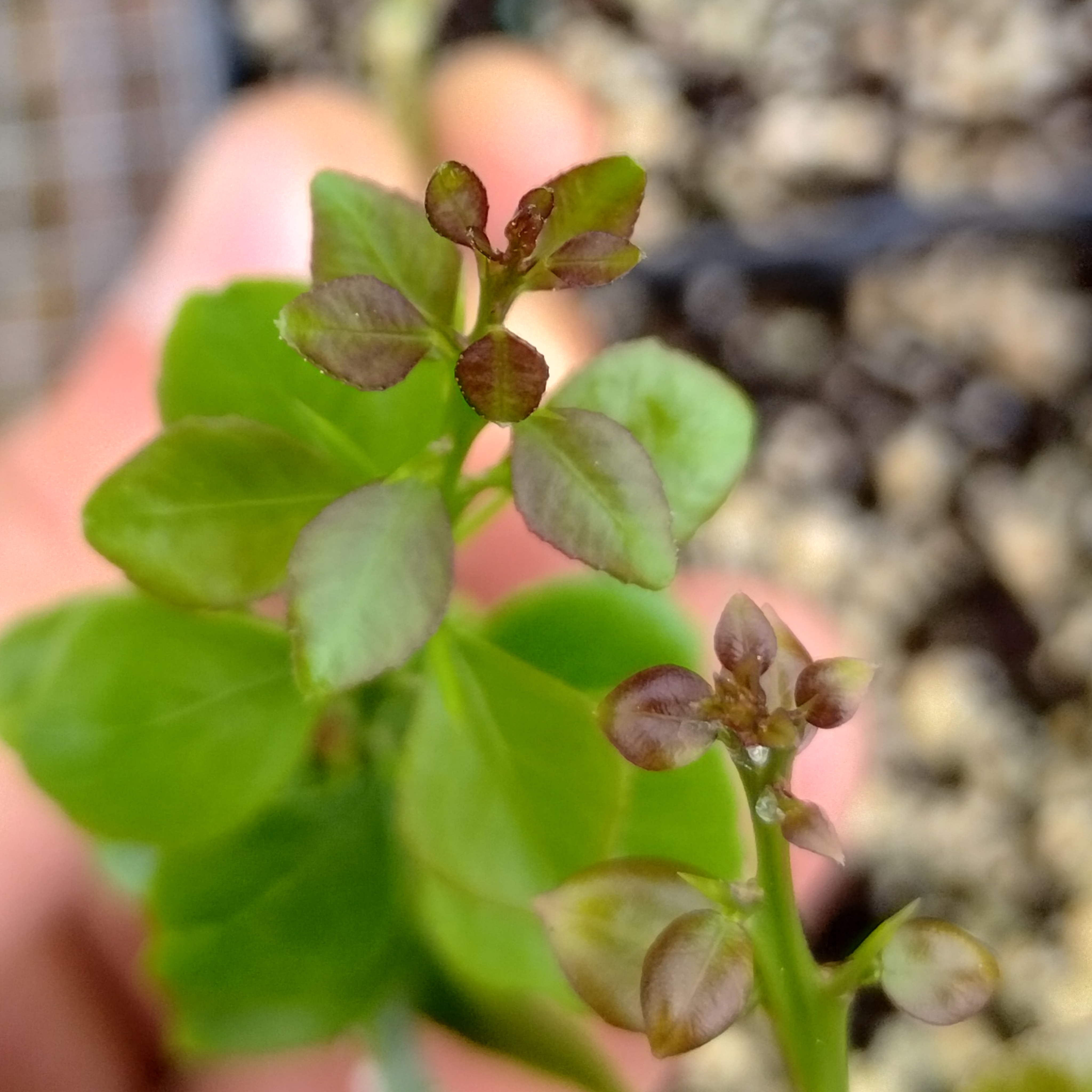
As it grew it became obvious, we had accidentally created our own periclinal chimera between the Rangpur lime and the Giant Finger lime, now tentatively named “Lim-era”. It is mostly like a Finger Lime in appearance, but it has reduced anthocyanins in new growth, as well as broader leaves with serrated edges. So far it is stable, and once it is large enough to propagate, we will perform several grafts on different, vigorous rootstocks. When it eventually flowers and fruits, we will be able to confirm the exact origin of the different layers, and we are submitting leaf samples to a laboratory for nuclear DNA content and ploidy testing.

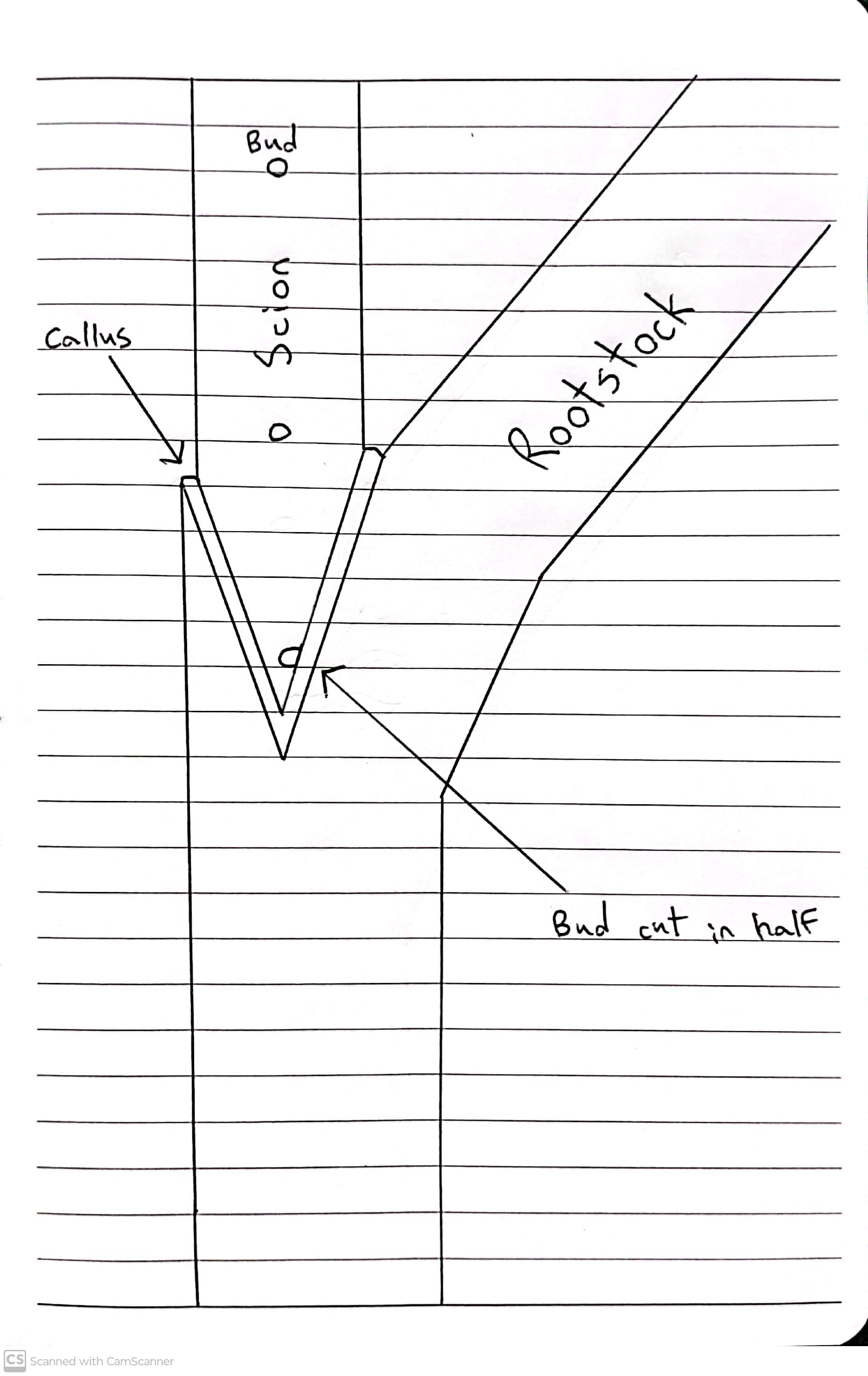
Now that we know the circumstances behind our accidental chimera, we can replicate this situation to synthetically create new chimeras via grafting. The side veneer graft will be our go-to since it worked once before, and we have already started our first trial with Yuzu scions grafted onto trifoliate orange rootstocks. All the scions were prepared in a way that ensured at least one bud was sliced and inserted deep into the graft union, where callus tissue would be most abundant as the graft heals. All in-tact buds on the scion will be sliced off after the healing process is complete in a few weeks, and similarly, any suckers from the rootstock. This will ensure that the flow of nutrients will be directed to the only remaining bud – the one that was sliced in half.

Side Veneer Graft Technique for Creating a Periclinal Chimera

If things work as intended, a shoot will emerge that is easily distinguishable due to the vastly different leaf forms of each of the citrus varieties used. So long as L3 is comprised of the trifoliate orange, any arrangement of L1 and L2 may still be an improvement over existing trifoliate orange hybrids. If L1 is Yuzu and L2 is trifoliate orange, juice quality is an improvement. If L1 is trifoliate orange and L2 is Yuzu, albedo and zest quality will be improved. If both L1 and L2 are Yuzu, similarly to the Prague Chimera, then the whole fruit will be Yuzu, but the resulting plant could be hardy to below 0 to 5°F, making Yuzu cultivation possible in much colder regions.

Update – May 2025

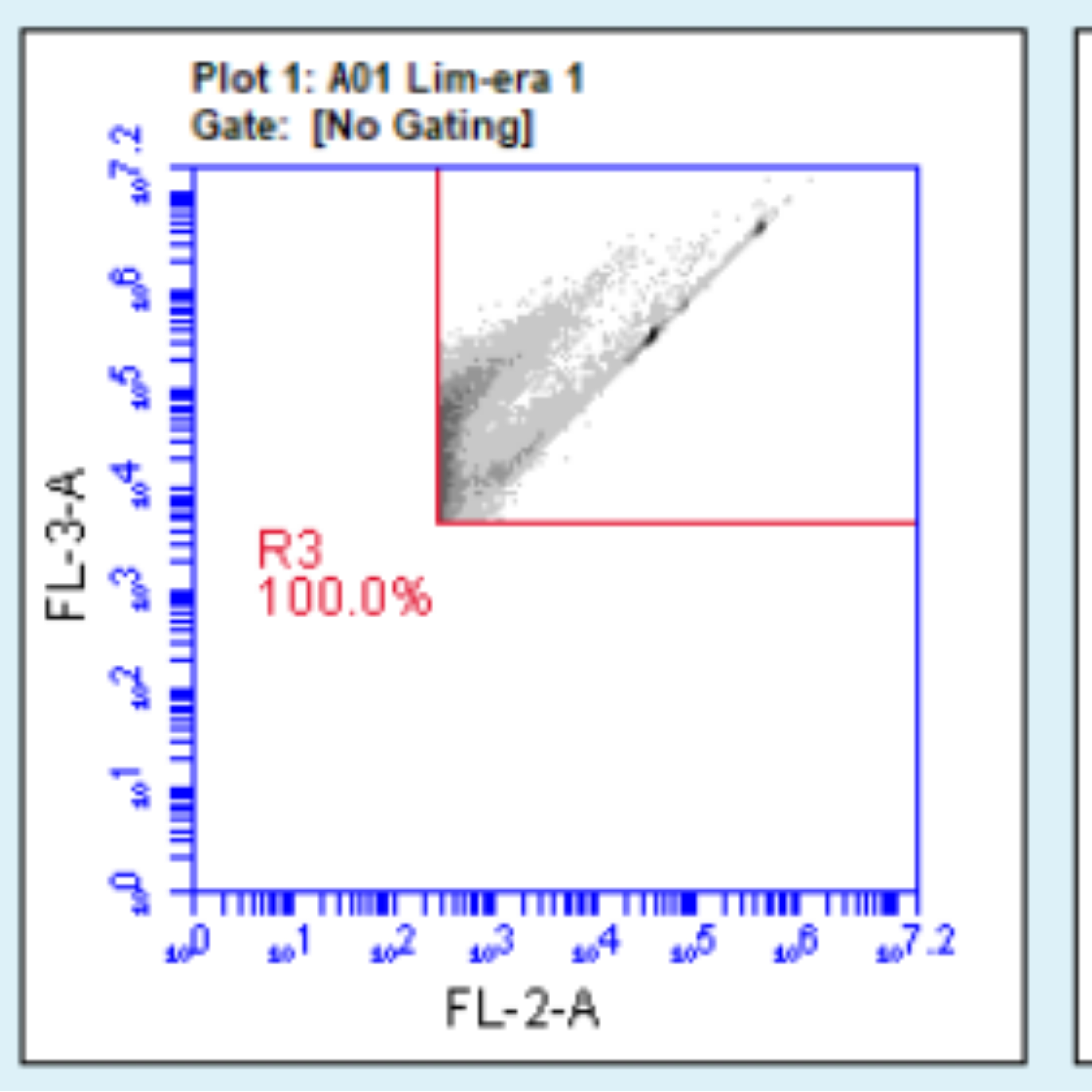
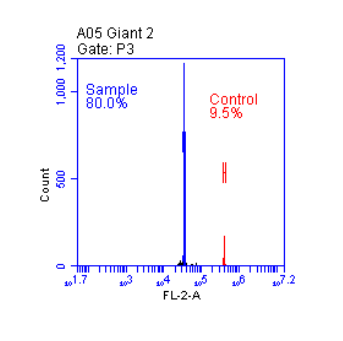
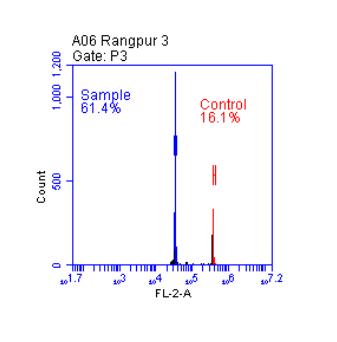
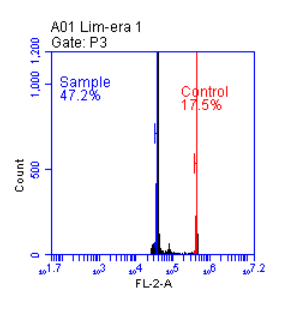
Since our original post, we have made some exciting advancements in our understanding of Rangpur lime + Giant Finger lime ‘Lim-era’. After submitting leaf samples and testing them for genome size and ploidy, it was revealed to us that our prospective periclinal chimera had the same genome size and ploidy as the Giant Finger lime (0.79 pg vs. 0.80 pg), which was less than the Rangpur lime (0.84).

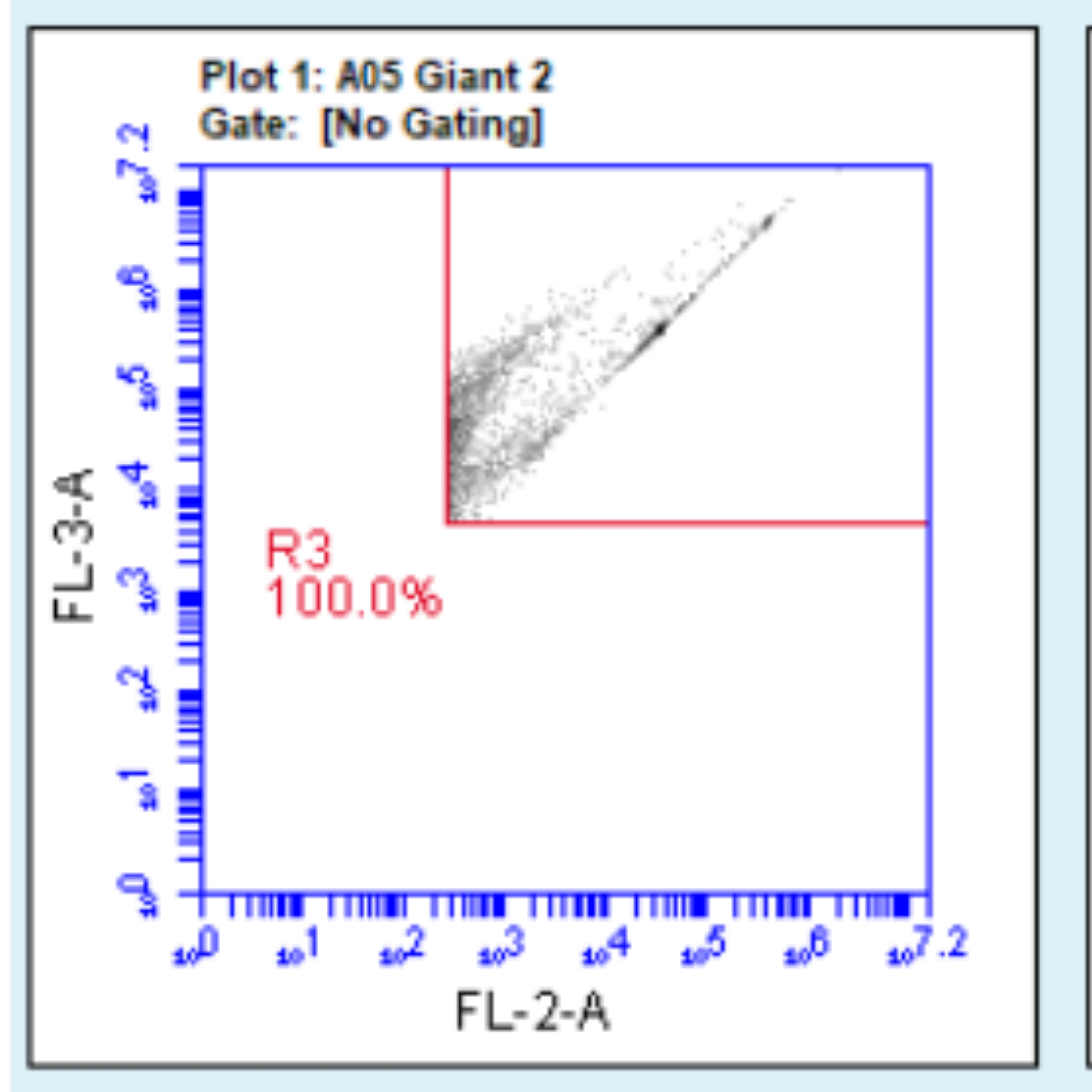
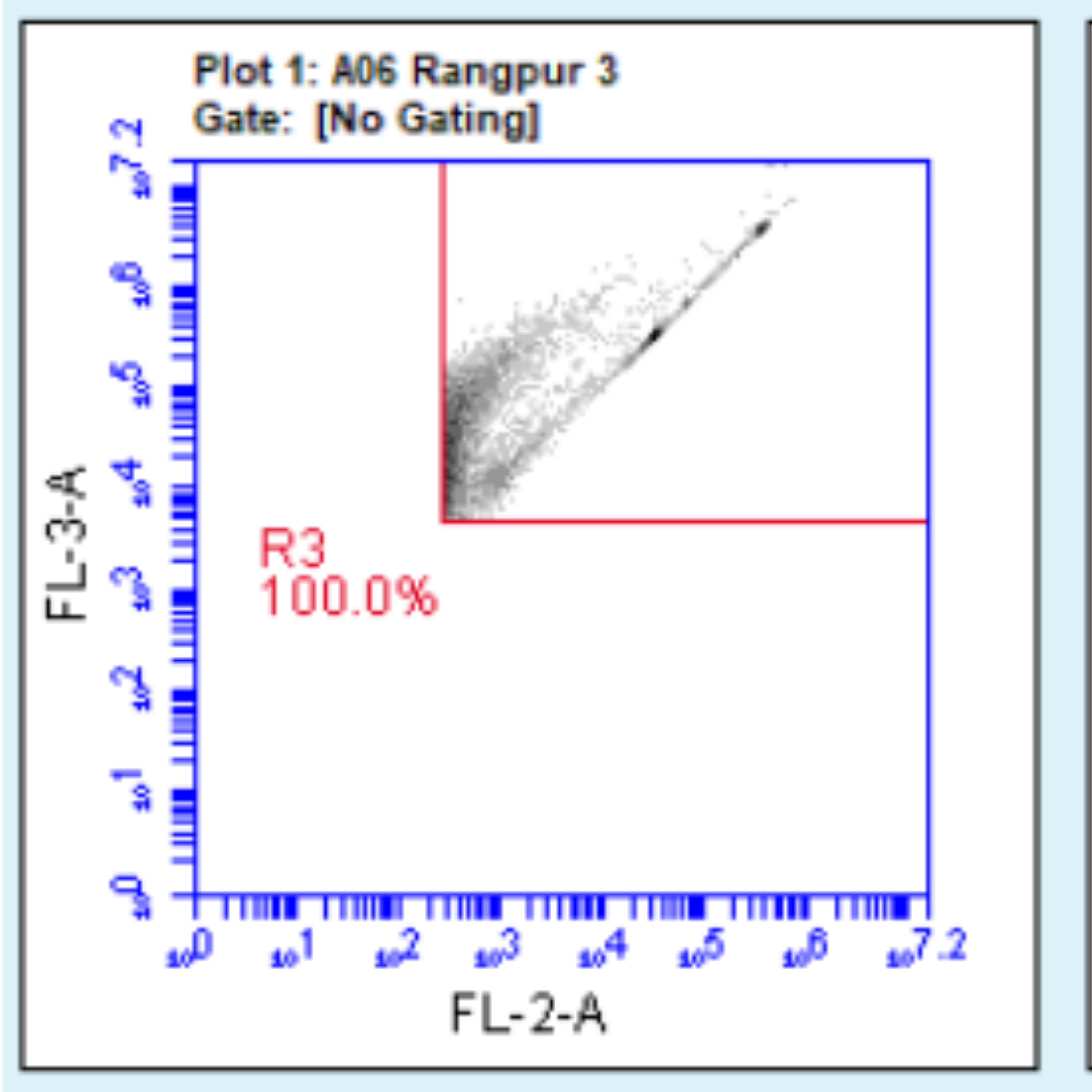
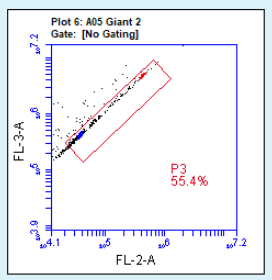
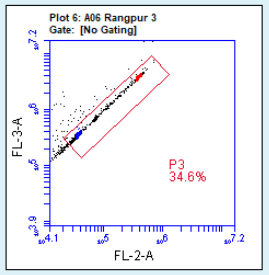
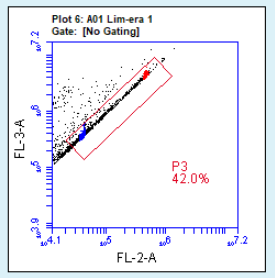
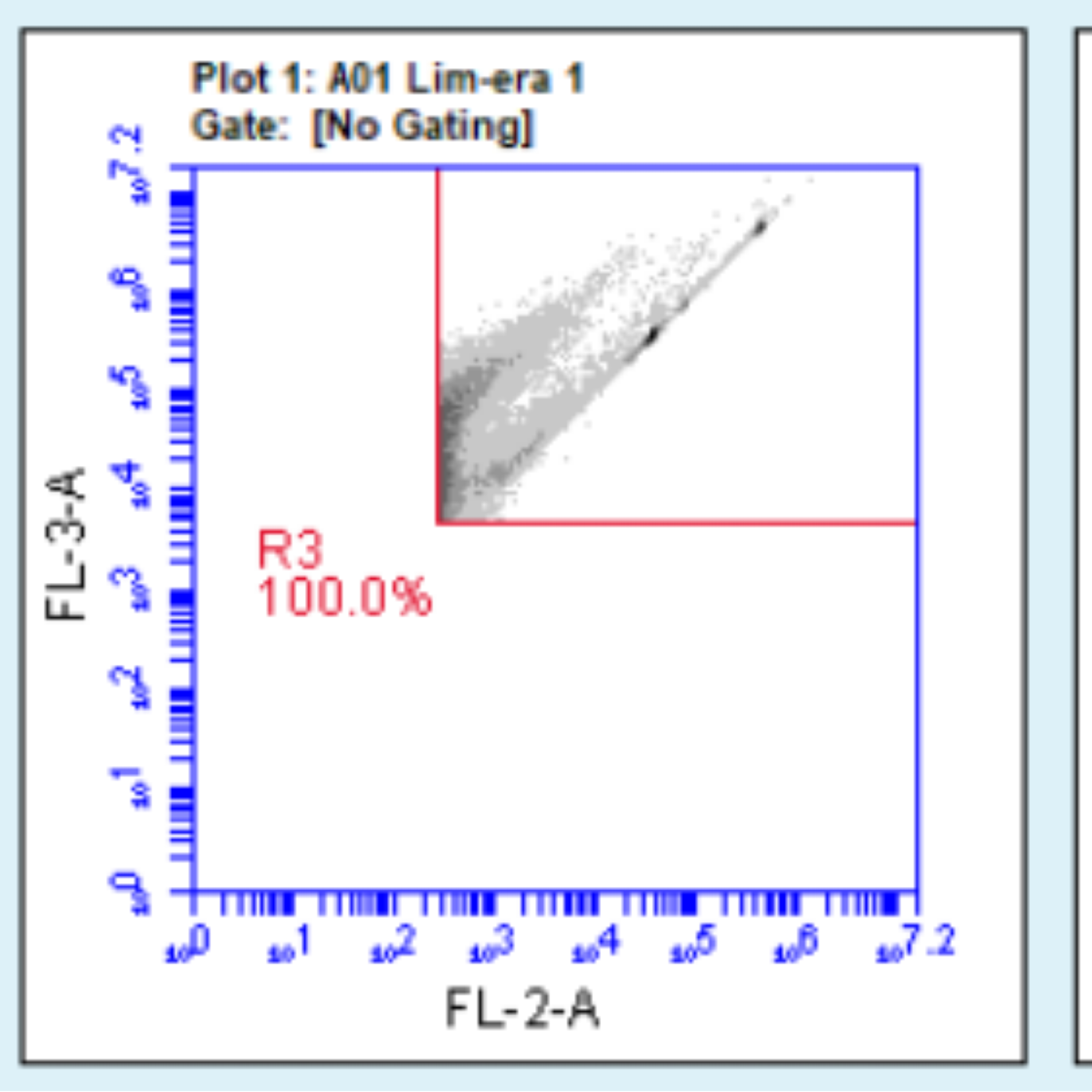
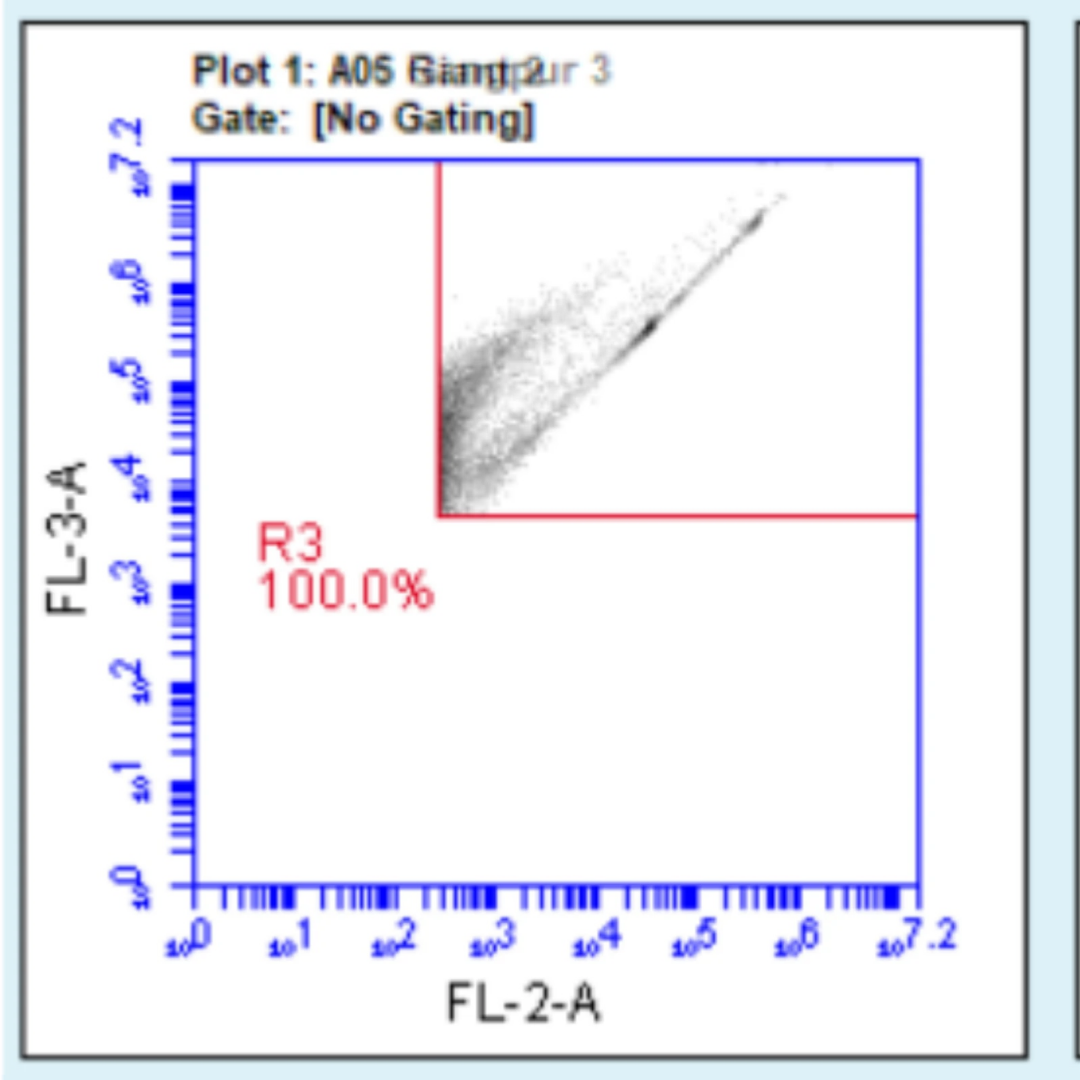
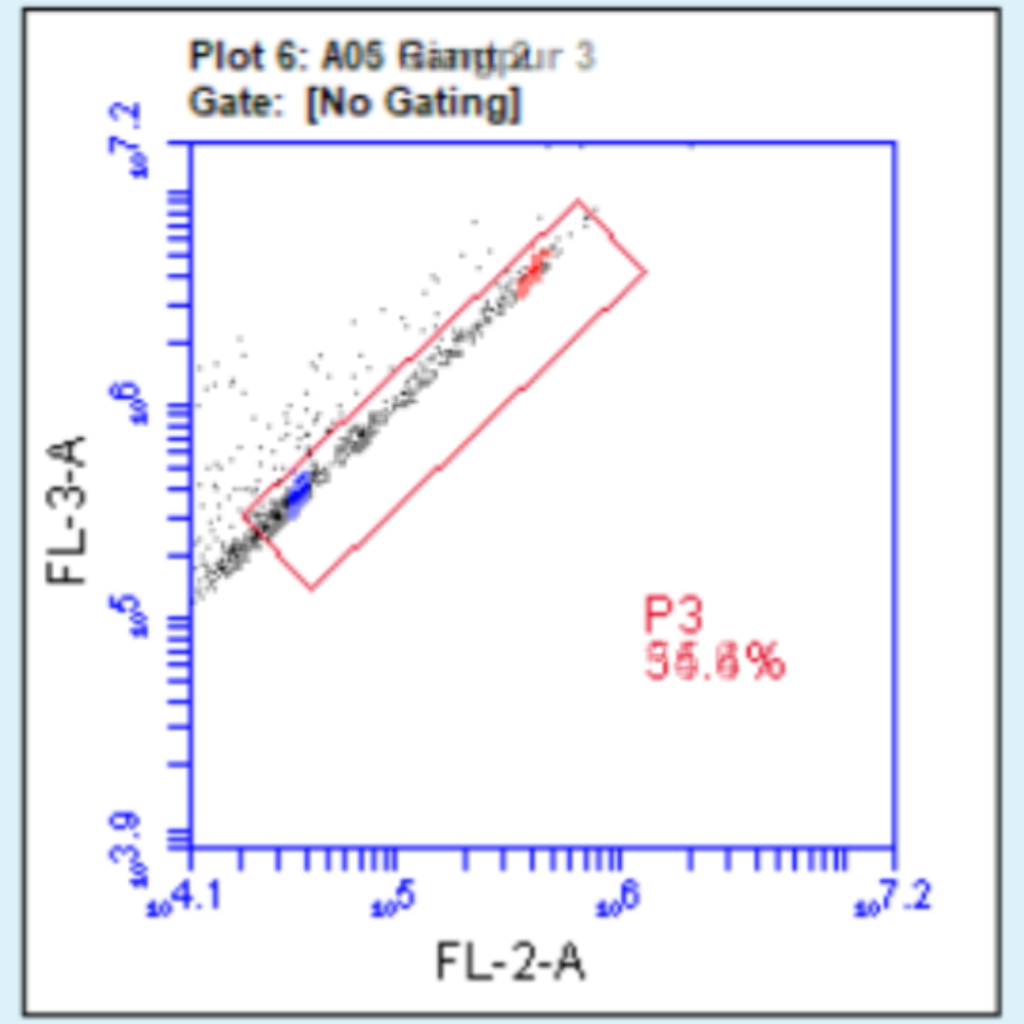
However, when looking at the flow cytometry results, dot plot, and histogram, Lim-era had several similarities to the Rangpur lime. Based on these results and the plant phenotype, we suspect that the L3 layer was replaced with Rangpur lime tissue. L3 is underrepresented in the leaves, possible explaining the lack of difference in genome size. It would also explain the more prominent leaf veins and increased vigor and internode spacing. This may be an advantage for propagating this variety since it should have the root system of the Rangpur lime, which is much more vigorous and easier to root from cuttings than the Giant finger lime.

When the graphs for Giant Finger lime are overlaid with Rangpur lime, the result is strikingly similar to the graphs for Lim-era. This tells us that while the genome size might be similar to the Giant Finger lime, there is clearly some Rangpur lime genome present in the Lim-era sample.

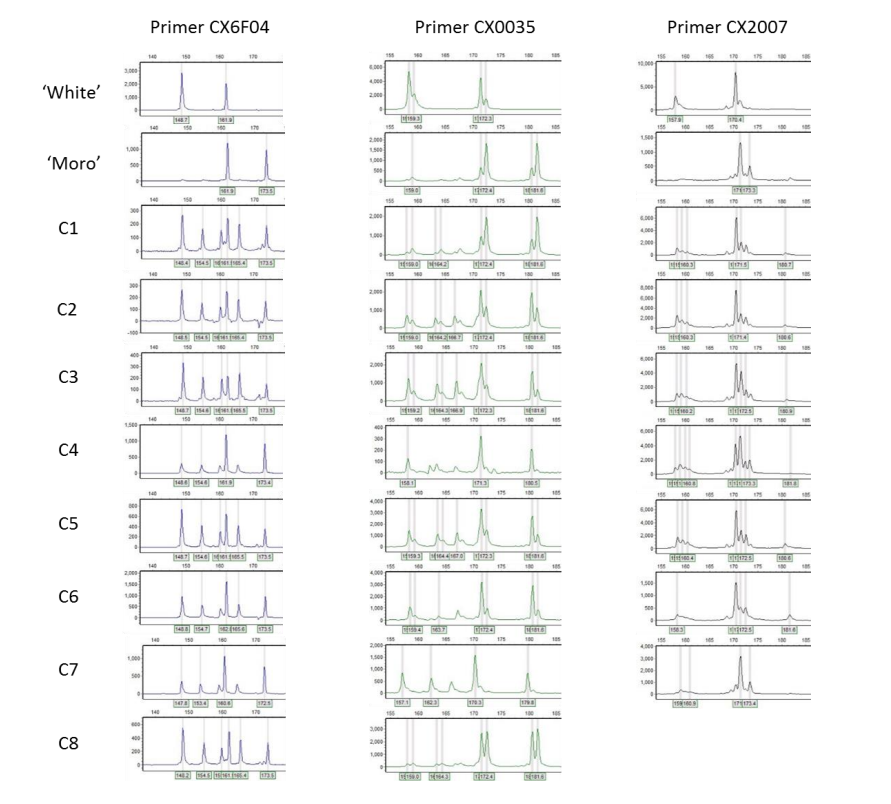
Simple sequence repeat (SSR) analysis will be the next step to better determine the chimeric nature of Lim-era. This will allow us to observe the alleles of Lim-era side-by-side with Giant Finger lime and Rangpur lime, making any similarities (or differences) clearly visible on a histogram.

Example SSR analysis used to distinguish chimeras between Moro blood orange and White mandarin.

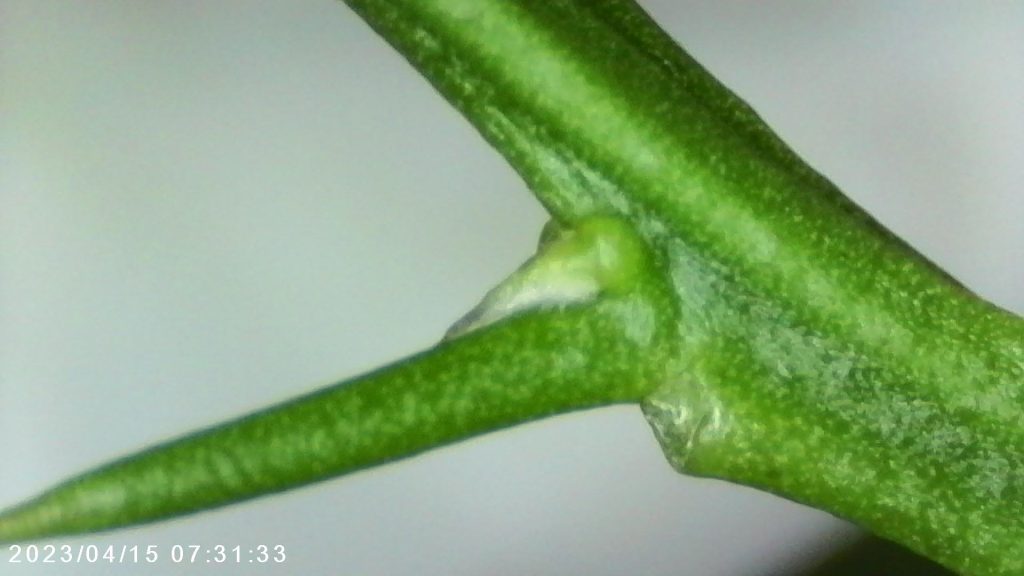
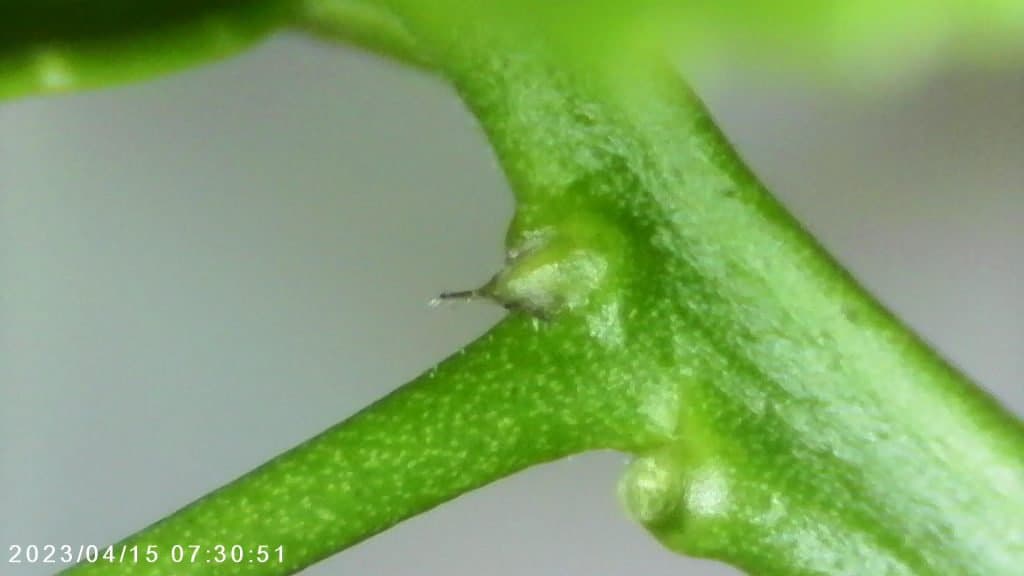
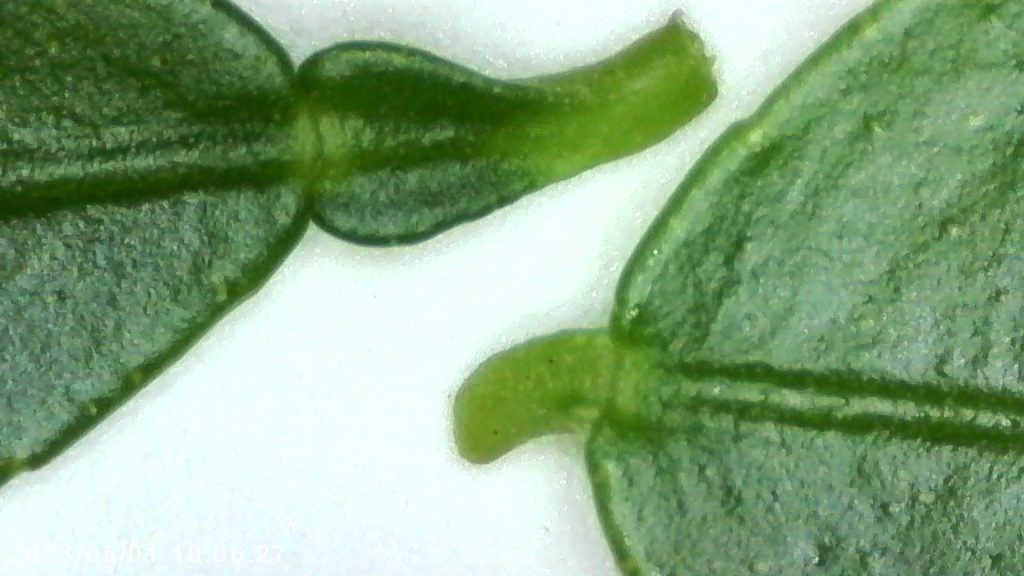
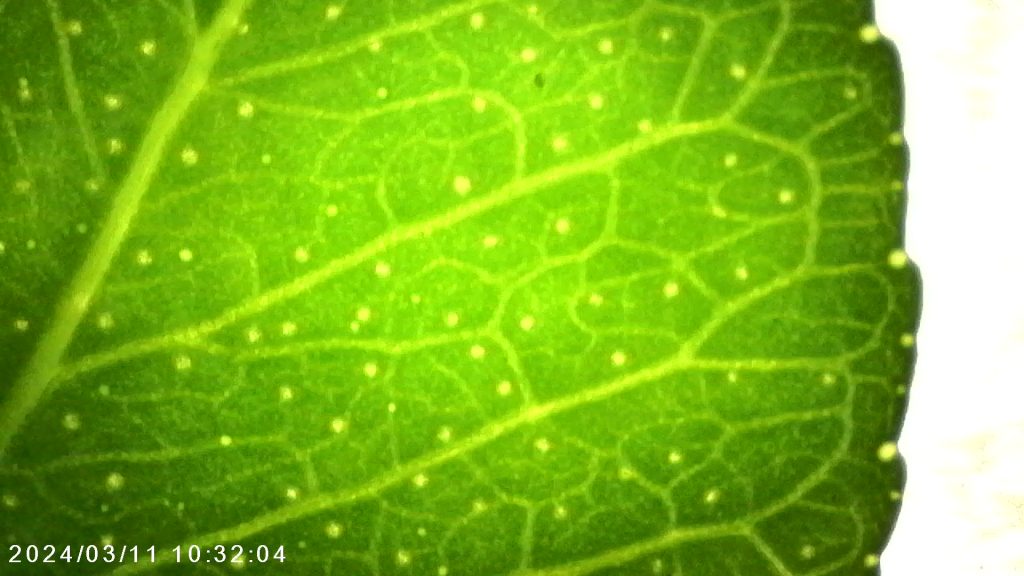
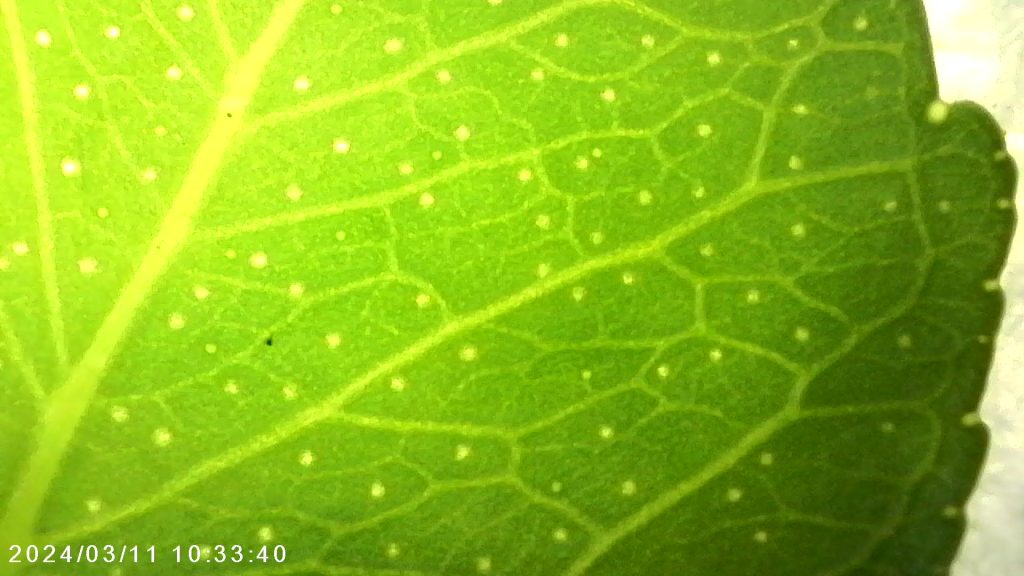
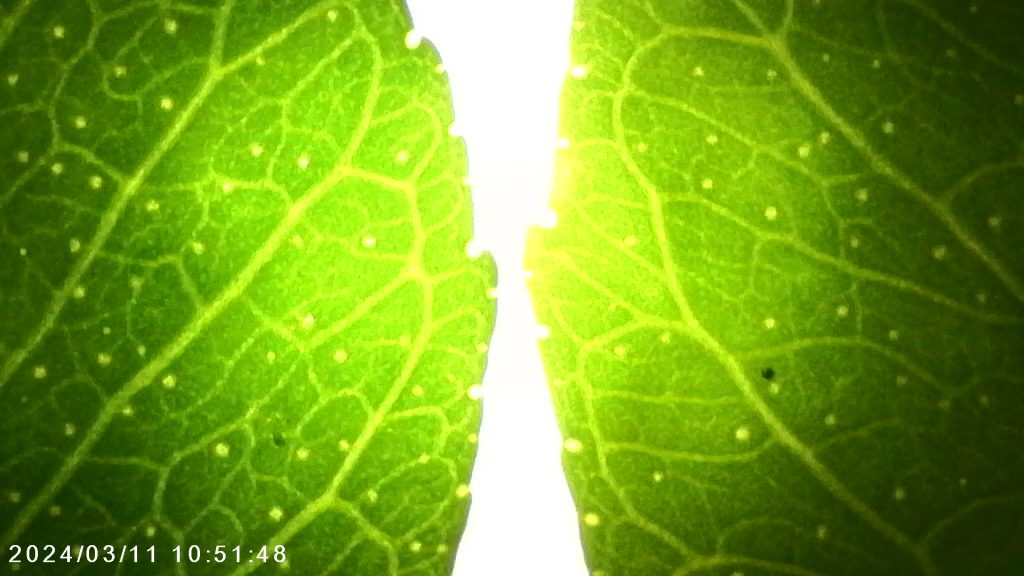
We also had the opportunity to further evaluate differences in leaf, stem, and vegetative bud morphology under a microscope. It is apparent under these conditions that Lim-era has: larger and differently shaped leaves, more prominent leaf veins and serrated edges, more prominent vegetative buds, larger petioles, and wider internode spacing, as compared to the Giant Finger lime control.

Update – March 2026

Since our last update, we have discovered another distinguishing characteristic about Lim-era which grants it a significant advantage over its original form. We had mistakenly neglected both our original Lim-era and Giant Finger lime control in our house for several weeks, which lead to their severe and nearly lethal dehydration. Upon discovering them in this state, not many differences between the two could be made, but the story changed once both plants were rehydrated. Within 24 hours, Lim-era was fully recovered and well, with plump, dark green leaves. The control plant still showed signs of severe dehydration (dry leaves, wrinkled stem, etc.) and continued to show them for almost 1 week before making a slow recovery.

While the sample size very small (n=2), it is apparent that Lim-era was better equipped to handle the extreme drought, and after doing some research, this might just be consistent with a periclinal chimera whose L3 has been replaced by Rangpur lime. It just so happens that Rangpur lime is an exceptionally drought-resistant citrus species, and certainly more so than the Giant Finger lime. While both plants had rangpur lime rootstock (which improves drought tolerance of the scion variety), having the vasculature of a Rangpur lime running throughout the rest of the plant likely influenced it at both a physical and chemical level. This would actually mirror the effect that the trifoliate orange has on the Satsuma layers in the Prague Chimera, which improves cold tolerance to a degree far beyond what normal Satsumas would survive.

This discovery supports the idea that such L3 periclinal chimeras can create “super plants” which have built-in rootstocks which can influence the scion variety much more than in a normal graft. We have further testing planned involving rooting cuttings from both plants to observe differences in time to root formation and root vigor and structure. In theory, the root system should be predominantly Rangpur lime, which should propagate more easily and quicker. In the long term it might also be possible to generate Rangpur lime shoots from the root system of Lim-era which would be confirmation of its chimerism.

To this day, the Lim-era is in completely good health and even initiated bud break outdoors before any of our 16+ other Giant Finger lime controls, demonstrating that some of these differences are repeatable. The other Giant Finger lime plant shows permanent damage, experiencing die-back on 30% of its limbs already, with the remainder being in poor condition.

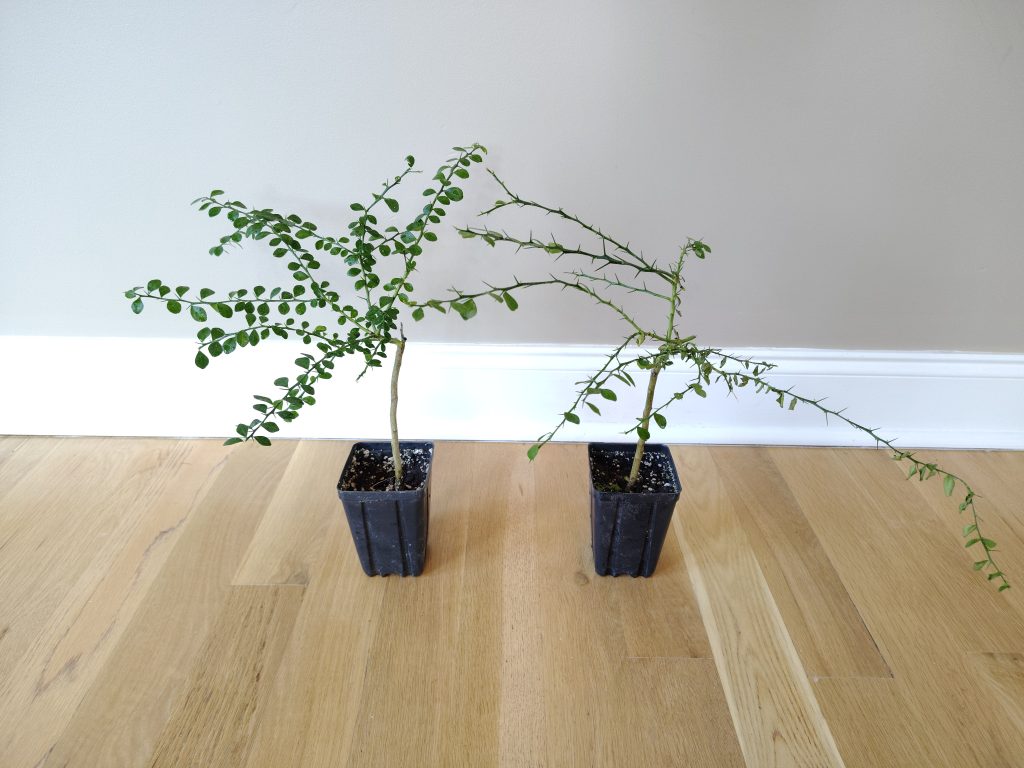
From Left to Right: Lim-era grafted on Rangpur Lime, Giant Finger Lime Grafted on Rangpur Lime

Update – May 2026

Unfortunately, the control plant never made a full recovery and died after another shorter period of drought in our greenhouse. Lim-era continues to grow vigorously as if it were never stressed! We are waiting for this current flush to finish before taking cuttings and performing our next experiment.

Below are some interesting studies related to citrus chimeras:

Metabolite profile comparison of a graft chimera ‘Hongrou Huyou’ (Citrus changshan-huyou + Citrus unshiu) and its two donor plants

Characterization of a New Natural Periclinal Navel–Satsuma Chimera of Citrus: ‘Zaohong’ Navel Orange

Intervarietal Chimera Formation by Grafting in Citrus

Posted on 4 Comments

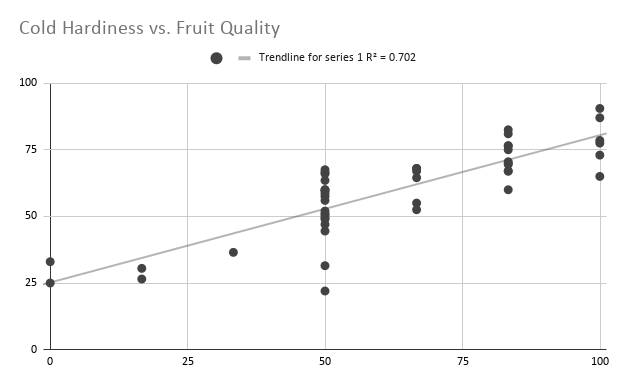
Citrus Fruit Quality vs. Cold Hardiness

Last updated: May 2026

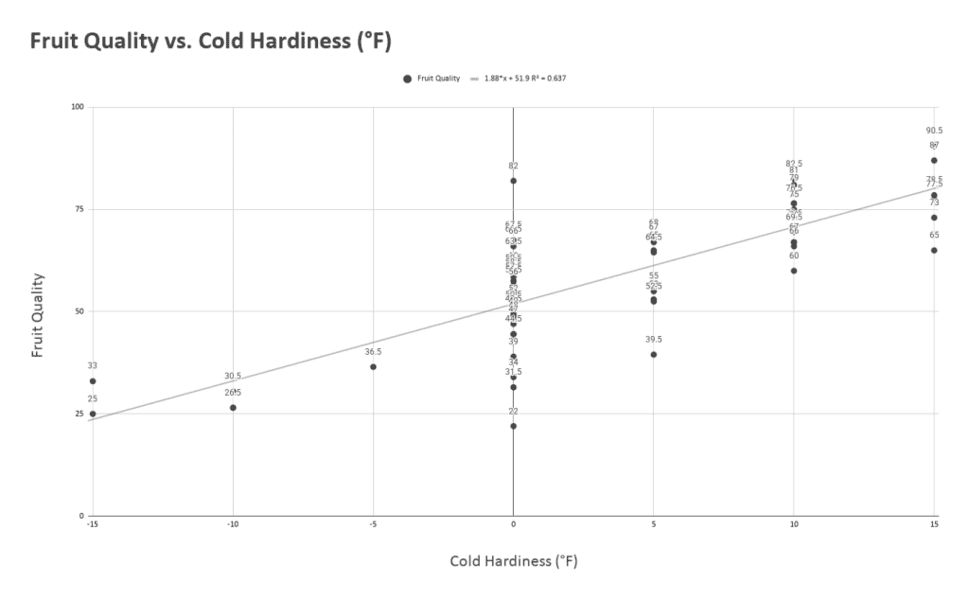
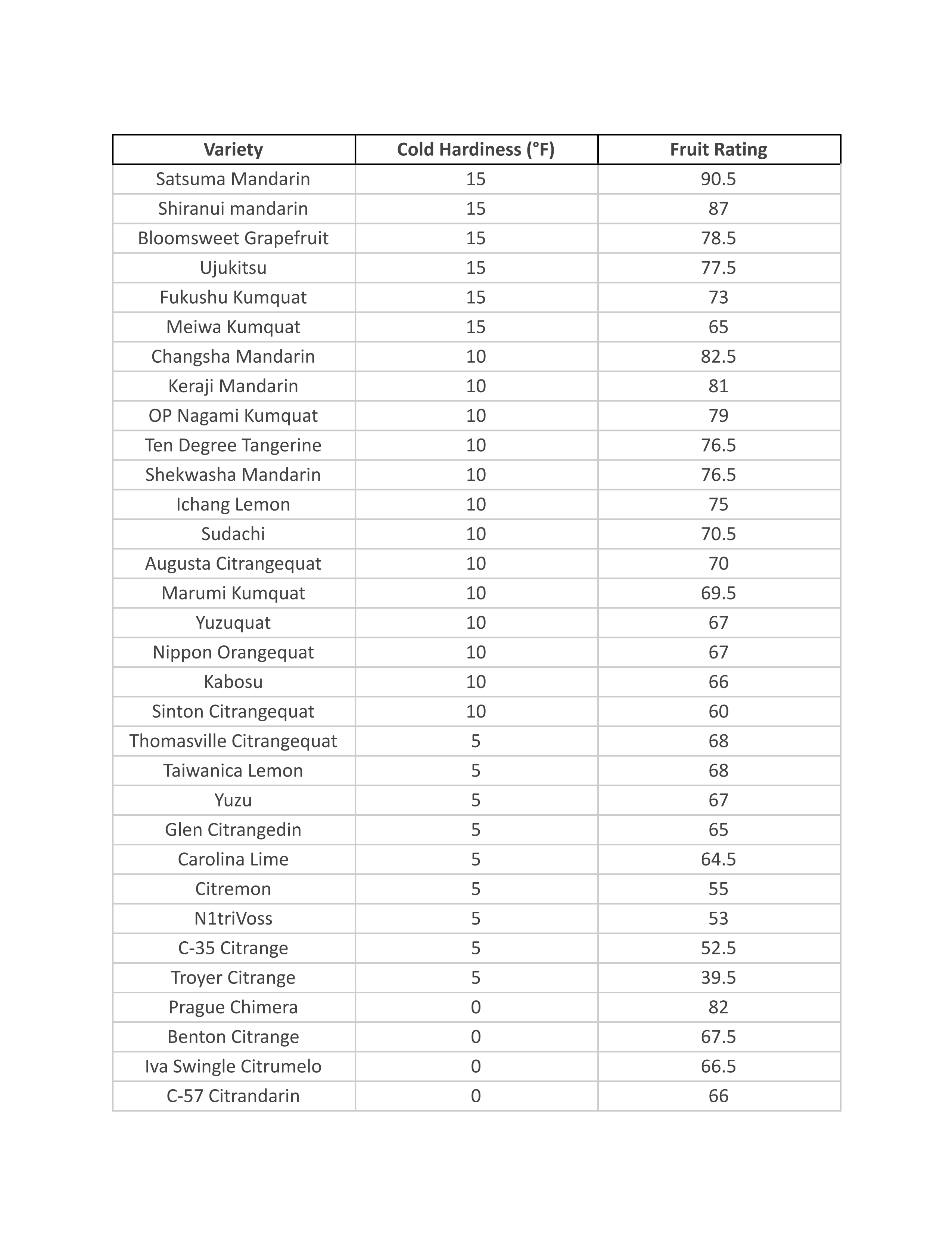
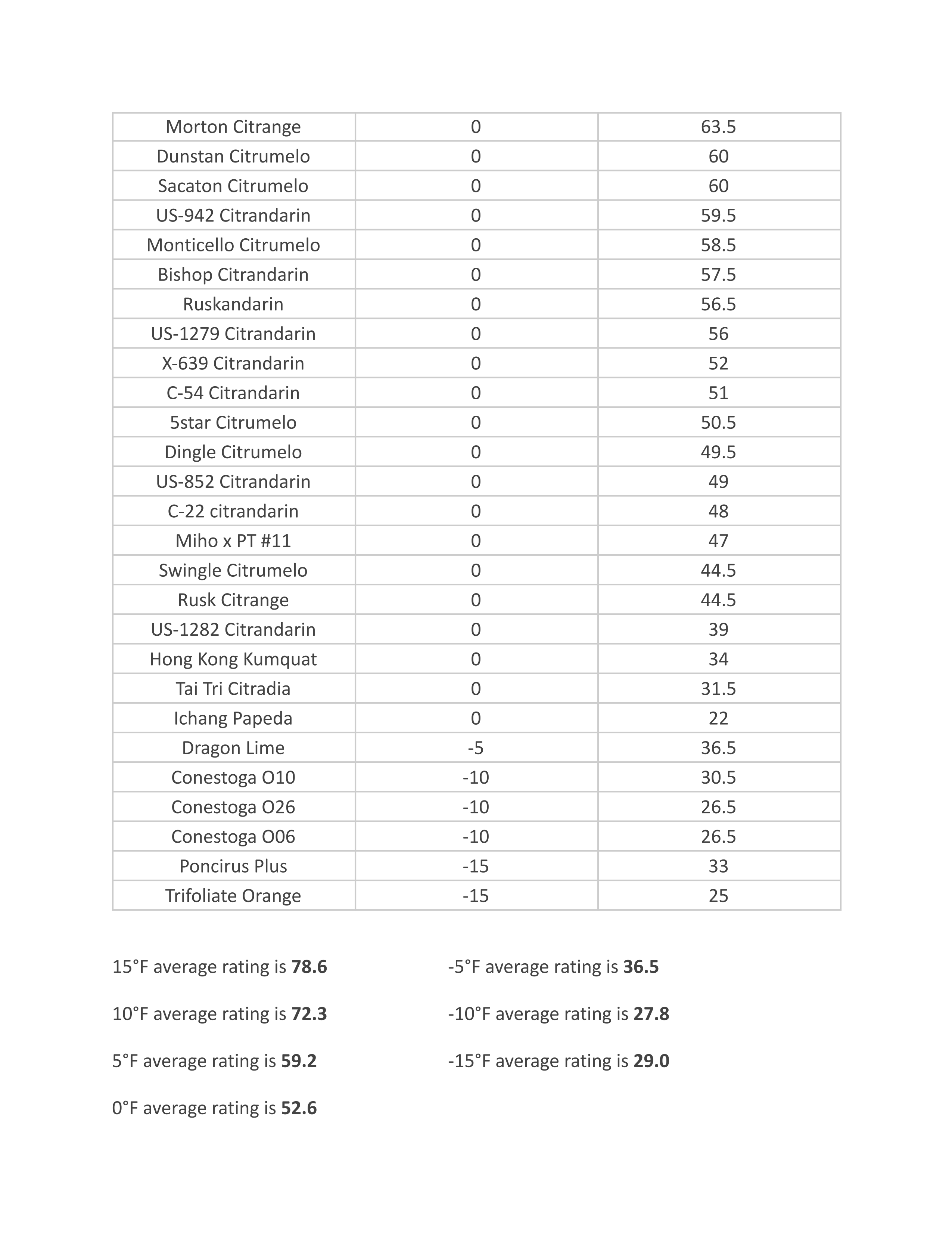
Correlation: 0.8 (0.8 to 1.0 = very strong)

The cold hardiness ratings reported here are composed of: firsthand observations, secondhand observations, and estimations – primarily based on growing in the Southeastern United States. These same ratings may not be as accurate for the Northwestern United States, and can vary substantially based on weather patterns, growing conditions, and tree size. That being said, the relationship between fruit quality and cold hardiness remains well-established, and this information serves as a visual representation of this relationship.

We will update this chart as we based on constructive criticism and our continued data collection.

Posted on Leave a comment

Downloadable Files

Hardy Citrus for the Southeast by Tom McClendon

UF/IFAS Rapid Evaluation System For Citrus Breeding

The Hardy Citrus of Texas

The Hardy Citrus of Texas Part II

Citrus Hybrid Seedlings Reduce Initial Time to Flower When Grafted Onto Shiikuwasha Rootstock

Cold Hardy Citrus Challenges and Advances in Southeast Pennsylvania Trials by Mel Martin

Posted on Leave a comment

Citrus Resources

Stan (The Citrus Man) McKenzie

https://www.youtube.com/@TheCitrusman

Virginia Fruit Grower

https://www.youtube.com/@VirginiaFruitGrower

Tough Citrus

https://www.youtube.com/@toughcitrus

Madison Citrus Nursery

https://www.youtube.com/@madisoncitrusnursery

Cold Hardy Citrus Blog

https://hardycitrus.blogspot.com/

Fruitmentor

https://www.youtube.com/@Fruitmentor

Prague Chimera

https://www.lemonhill.it/varieta/citsuma-prague/

Givaudan Citrus Variety Collection at UCR

https://citrusvariety.ucr.edu/citrus-varieties

The Tropical Fruit Forum

https://tropicalfruitforum.com/index.php

Citrus Growers V 2.0

https://citrusgrowersv2.proboards.com